
Explore Retrofits Now resources, designed to help building owners and managers understand deep carbon retrofits – from asset specific challenges to tested strategies.
Industry Reports

Accelerating Deep Retrofits: A Year of Insights on Progress & Barriers
This report documents the learnings and insights gained from the first year of the Purpose Retrofit Accelerator – highlighting preliminary findings and highlighting approaches that could drive retrofit action.
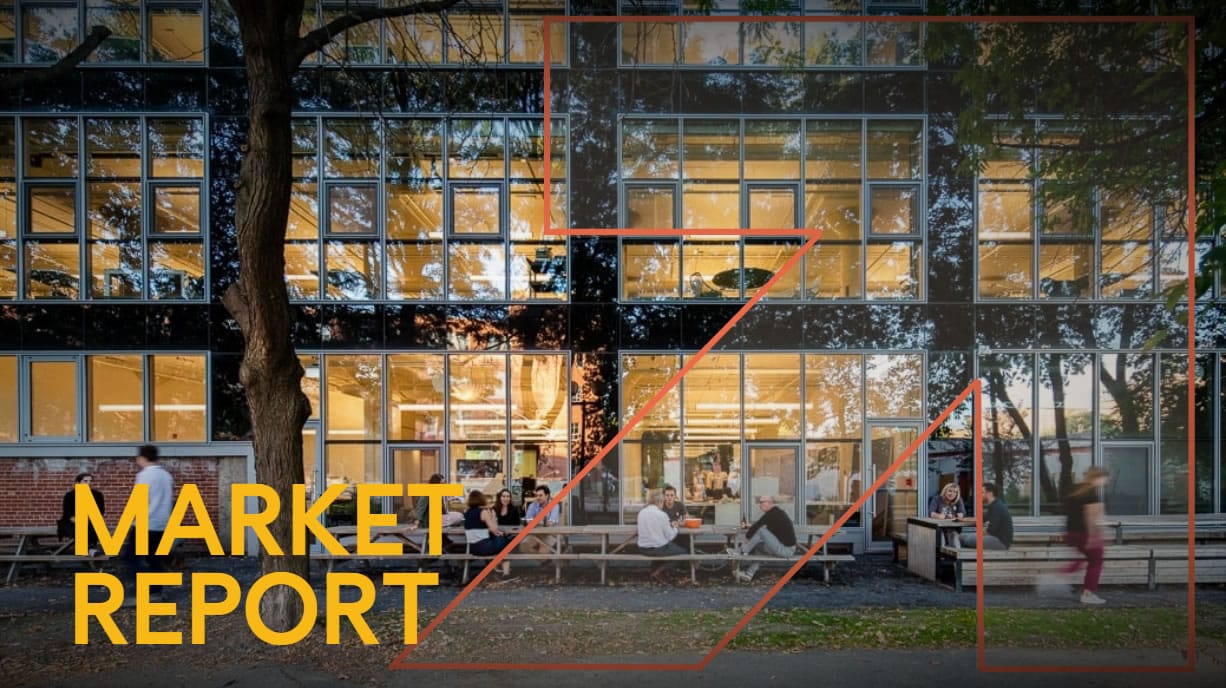
Rapidly Scaling Canada’s Deep Retrofit Market
Understand Canada’s retrofit market with Rapidly Scaling Canada’s Deep Retrofit Market: Stakeholder Insights into Barriers and Opportunities, a new report from CAGBC based on interviews with building owners from across the country.

Financing Guidance
Explore the programs and financing options available to support retrofits that prioritize sustainability and carbon reductions and make the case for decarbonization even more attractive.
Zero Carbon Transition Plans
CAGBC’s Zero Carbon Buildings (ZCB) Standards define a Zero Carbon Transition Plan as a costed strategy that outlines how a building can be retrofitted over time to remove carbon emissions from building operations and reduce its overall footprint.
Organized by building type, size, age, tenants, mechanical system, location and climate, these real-world ZCB Transition Plans can help identify the best path forward for your deep retrofit.
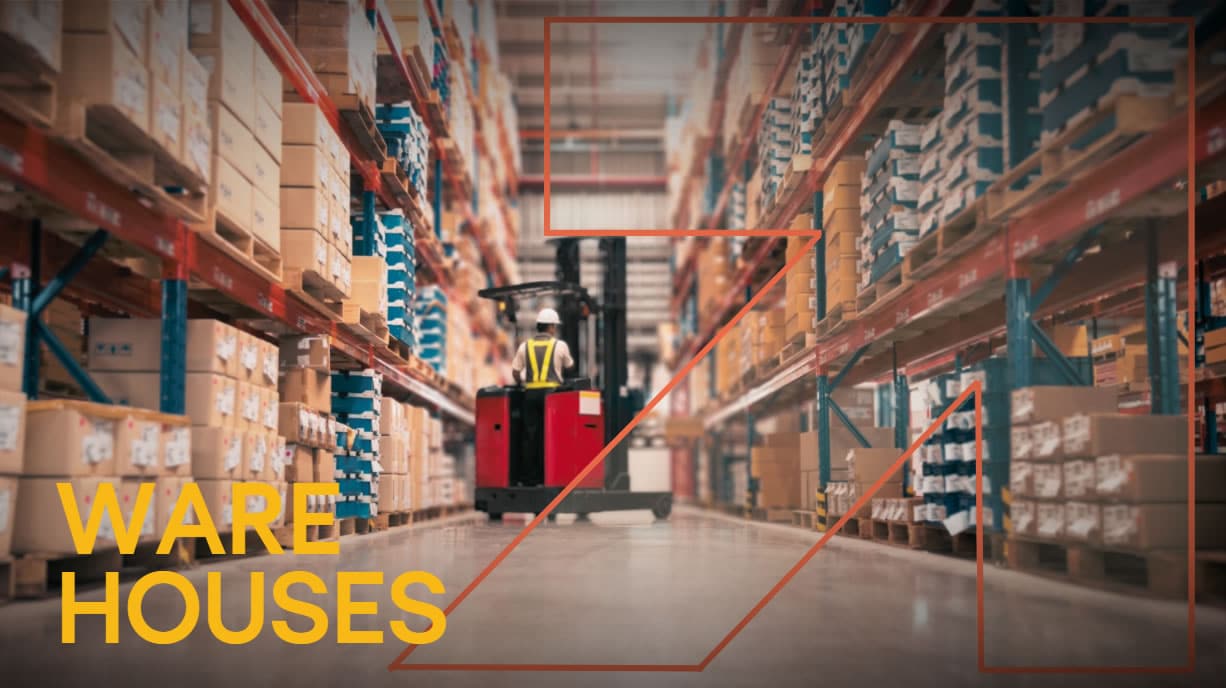
Carbon Retrofits for Canadian Warehouses
Warehouses are a growing asset class with rapidly changing investor and tenant expectations – and an increasing potential for carbon regulations.
Latest case studies
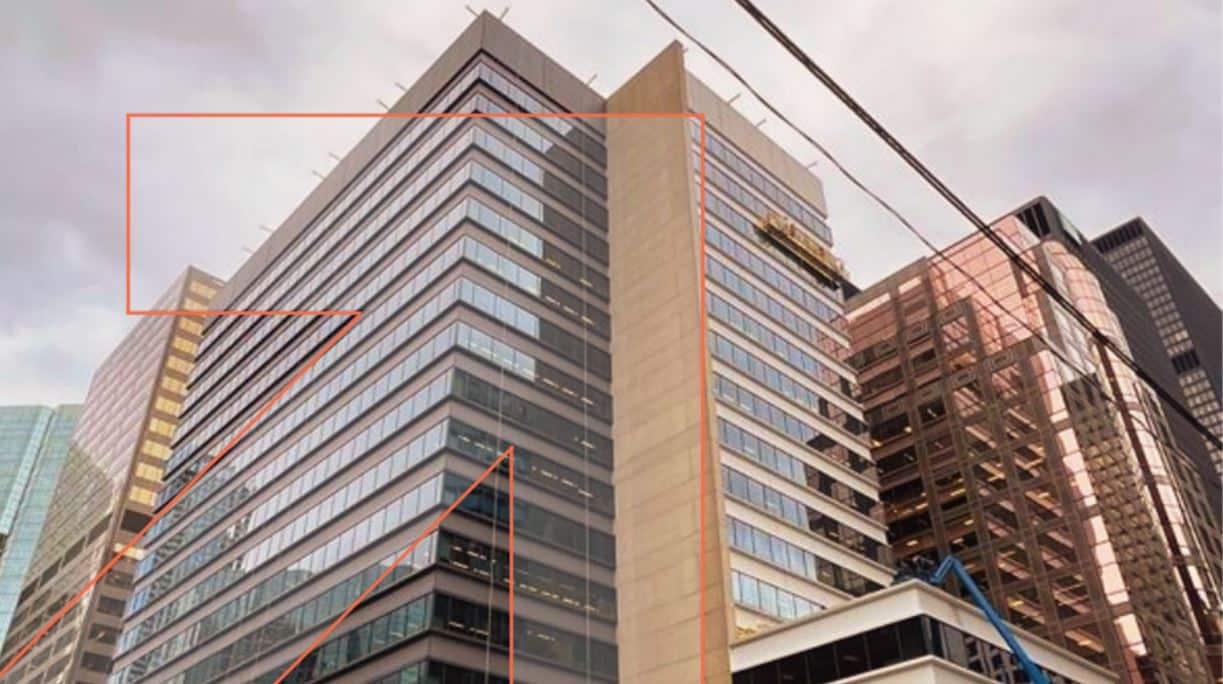
55 University Avenue
Turn net-zero ambitions into reality
In 2022, the office building at 55 University in Toronto faced significant renewal needs. Constructed in 1977, the building’s chillers were nearing their end of life, and other issues were beginning to emerge that the owners were eager to address.
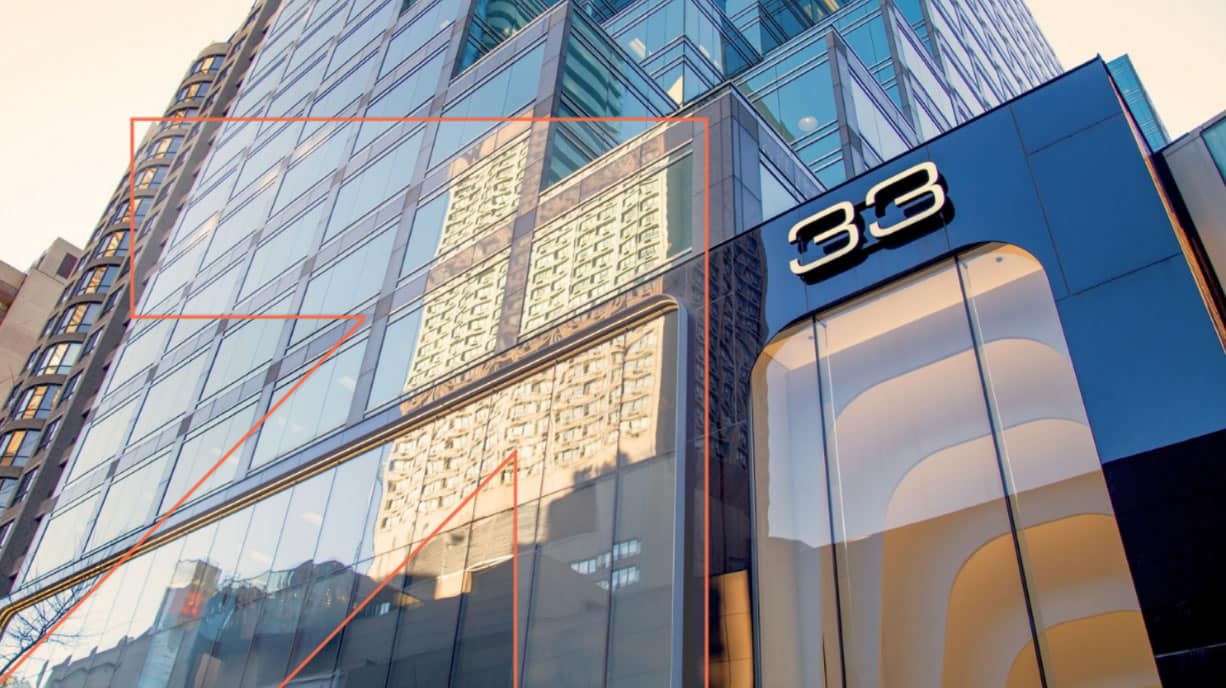
33 Bloor St. East
Going beyond the status quo to create and preserve value.
Like many buildings of its time, in 2024, 33 Bloor’s heating system might have lasted another year or two, but the risk of urgent mid-winter issues was looming. Instead of just replacing the system to maintain the status quo, the property manager saw this as an opportunity to create and preserve asset value.